On this page
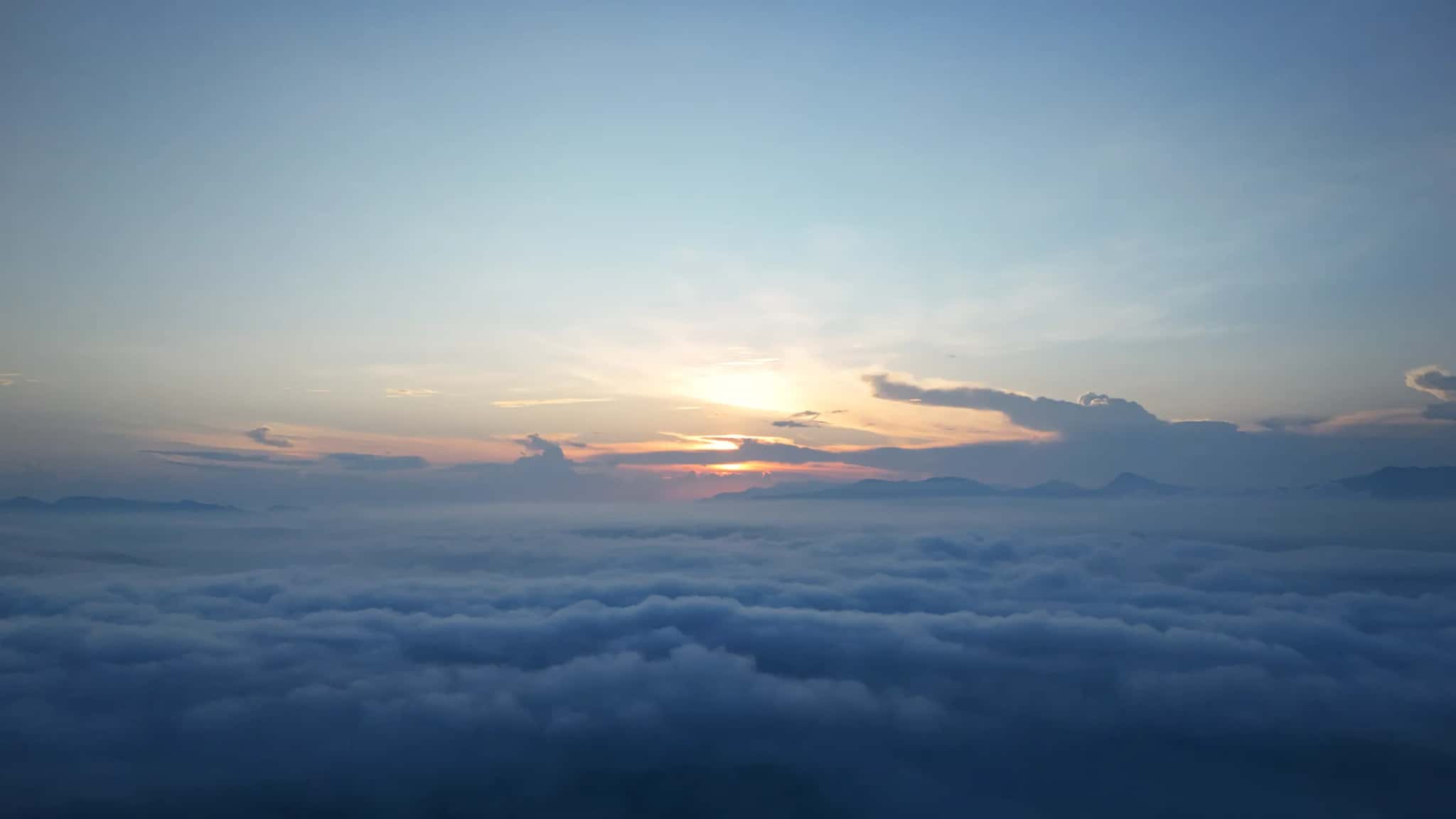
The softest light of the day comes at sunrise and in the last hour before sunset. It is also when drone rules start to matter, because outdoor flights are allowed only in daylight.
This guide explains the daylight rule, how to use the edges of the day, which places suit sunrise and sunset, and what a low light camera can and cannot do.
The daylight rule
Under the current CAASL standard, drones fly only in daylight, between the start of civil twilight in the morning and the end of civil twilight in the evening. Civil twilight is the short time around sunrise and sunset when the sun is just below the horizon and the sky is still bright enough to see clearly.
That means a drone may take off a little before sunrise and fly a little after sunset. It does not mean night flying. A normal outdoor flight after the end of evening civil twilight is not allowed.
Using the edges of the day
Light is softest when the sun is low, and colours are warmest. Plan the shots you care about for that time, and use the middle of the day for flights where light matters less, such as a map style view of a property.
- Sunrise: the best time for mist, clouds in valleys and still water
- The last hour before sunset: warm light, long shadows and colour on rock and sea
- The middle of the day: flat light, good for clear views of land and buildings
Places that suit sunrise and sunset
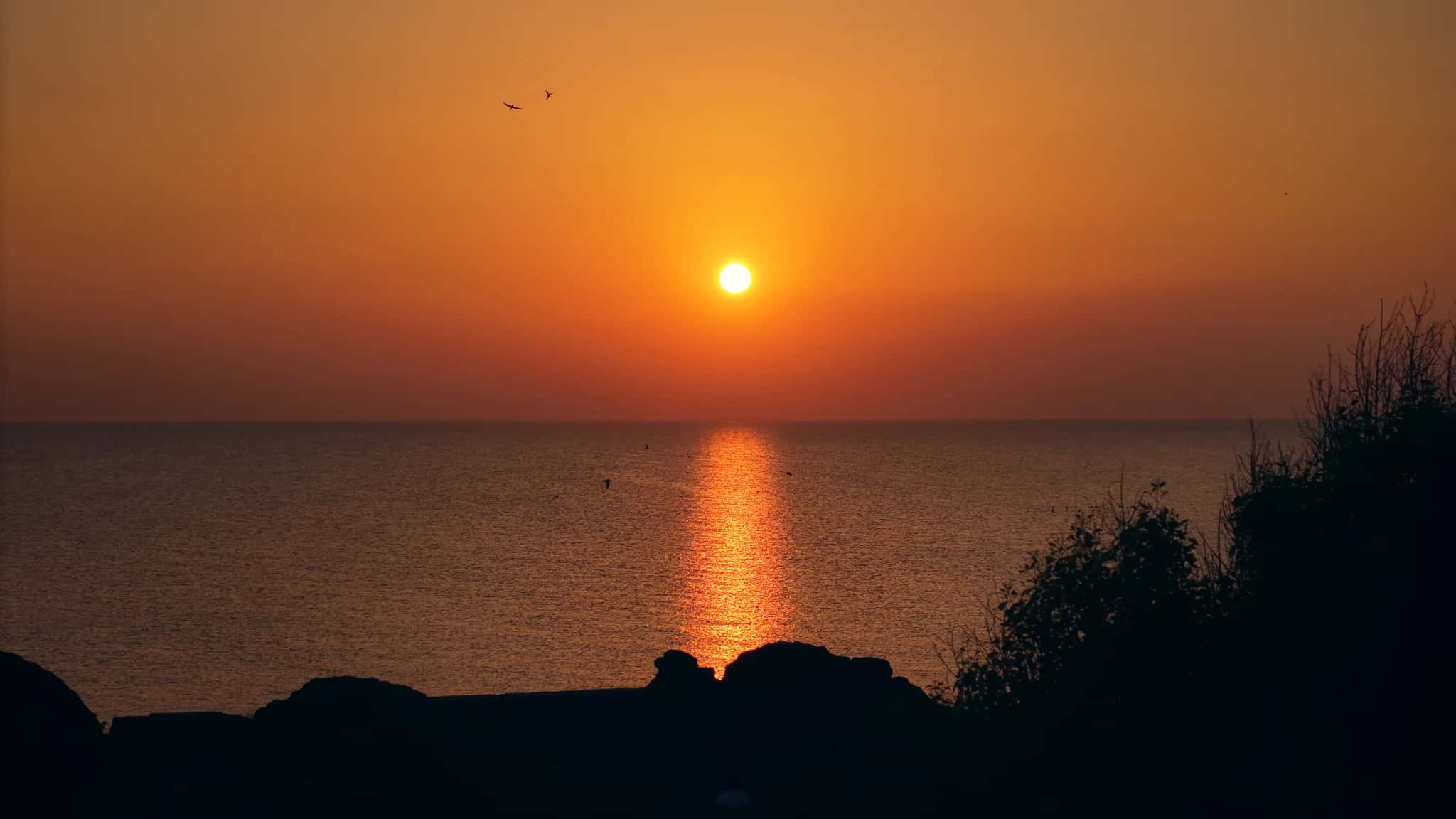
Where the land faces decides when the sun looks best. The central hills are a sunrise place, with mist and cloud in the valleys. The northwest coast looks west across the sea, which is why our sunset photo at the Doric in Arippu has the sun going down over the water. Sigiriya looks good at sunset too, with the rock against a warm sky.
East coast beaches such as Arugam Bay face the sunrise over the sea. Read the best places for drone videography for each region, and note that a place like Sigiriya needs special approval at any time of day.
Which drone copes with low light
The DJI Air 3S has a big 1 inch main camera with a night sensor, and we treat it as our best all round drone for low light, hotels and property. A bigger sensor collects more light, which keeps pictures cleaner at dawn and dusk. The DJI Mavic 4 Pro and DJI Air 3 are also strong in the soft light at either end of the day.
No camera makes night flying legal. The sensor helps in the minutes when the light is dropping, and it helps in shade and in forests, but the daylight rule stays.
How to plan the shoot
- Pick the place and check which way it faces.
- Check the sunrise and sunset times for your date, and the end of civil twilight.
- Plan to arrive early. A sunrise shoot starts before dawn, and a sunset shoot starts well before the sun is low.
- Keep a spare morning or evening, because cloud and rain decide the colour, and drones cannot fly in rain or gusty wind.
- Tell us the place, the date and the shot you imagine, and we check the approvals.
For the season by coast, see the best time for drone filming in Sri Lanka. For a couple session at golden light, read honeymoon drone video in Sri Lanka.
Questions people ask
Can you fly a drone at night in Sri Lanka?
Outdoor drone flights are allowed only in daylight, between the start of civil twilight in the morning and its end in the evening. Check with CAASL before you plan anything outside that window.
What is civil twilight?
It is the short time before sunrise and after sunset when the sun is just below the horizon and the sky is still bright. Drones may fly from the start of morning civil twilight to the end of evening civil twilight.
Which drone is best for low light?
The DJI Air 3S has a 1 inch main camera with a night sensor, and it is our best all round drone for low light. It still has to fly inside the daylight rule.
What is the best time of day for drone video?
Sunrise and the last hour before sunset usually give the softest light. Both fit inside the daylight window.