What a wedding drone shoot covers
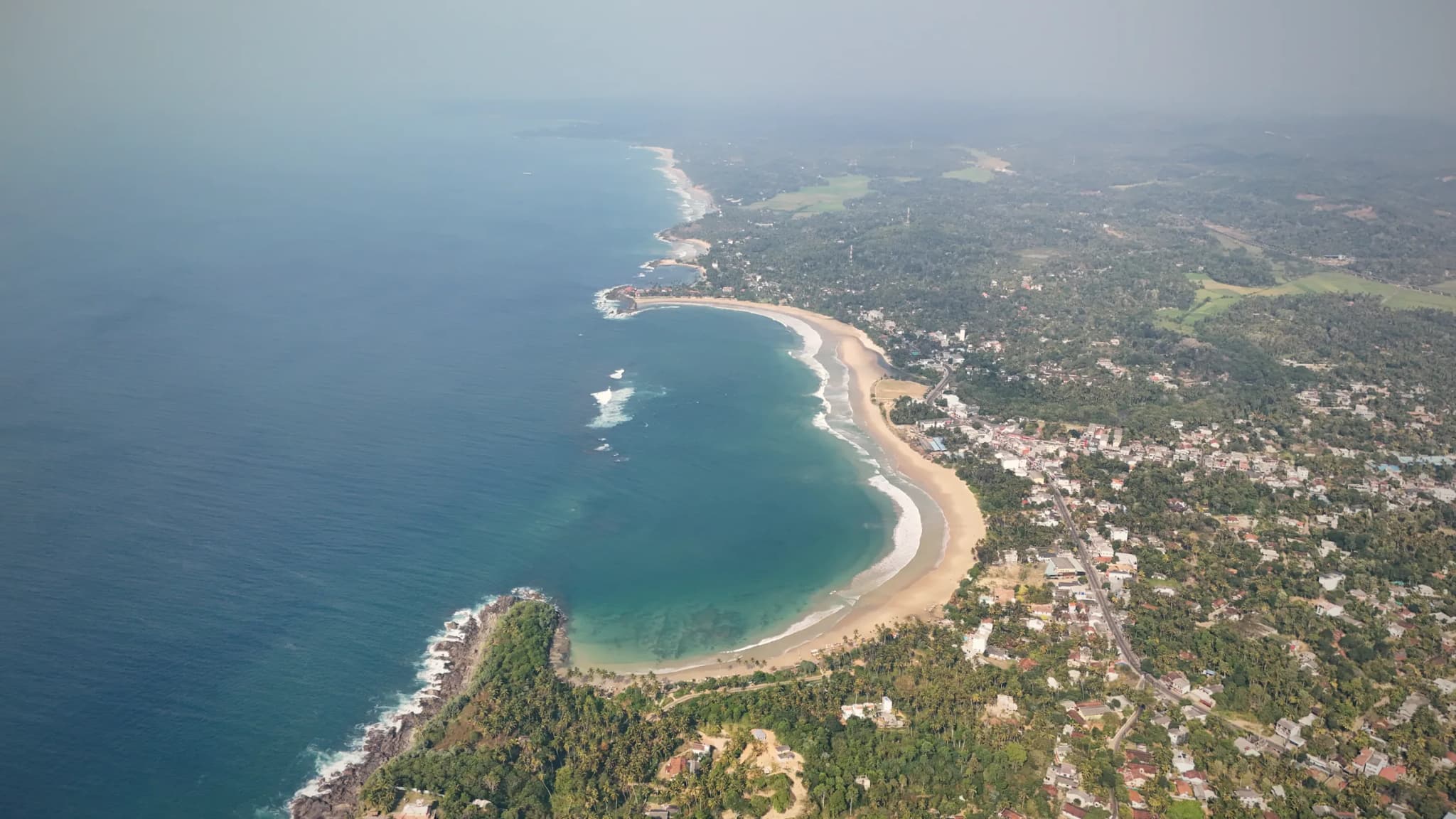
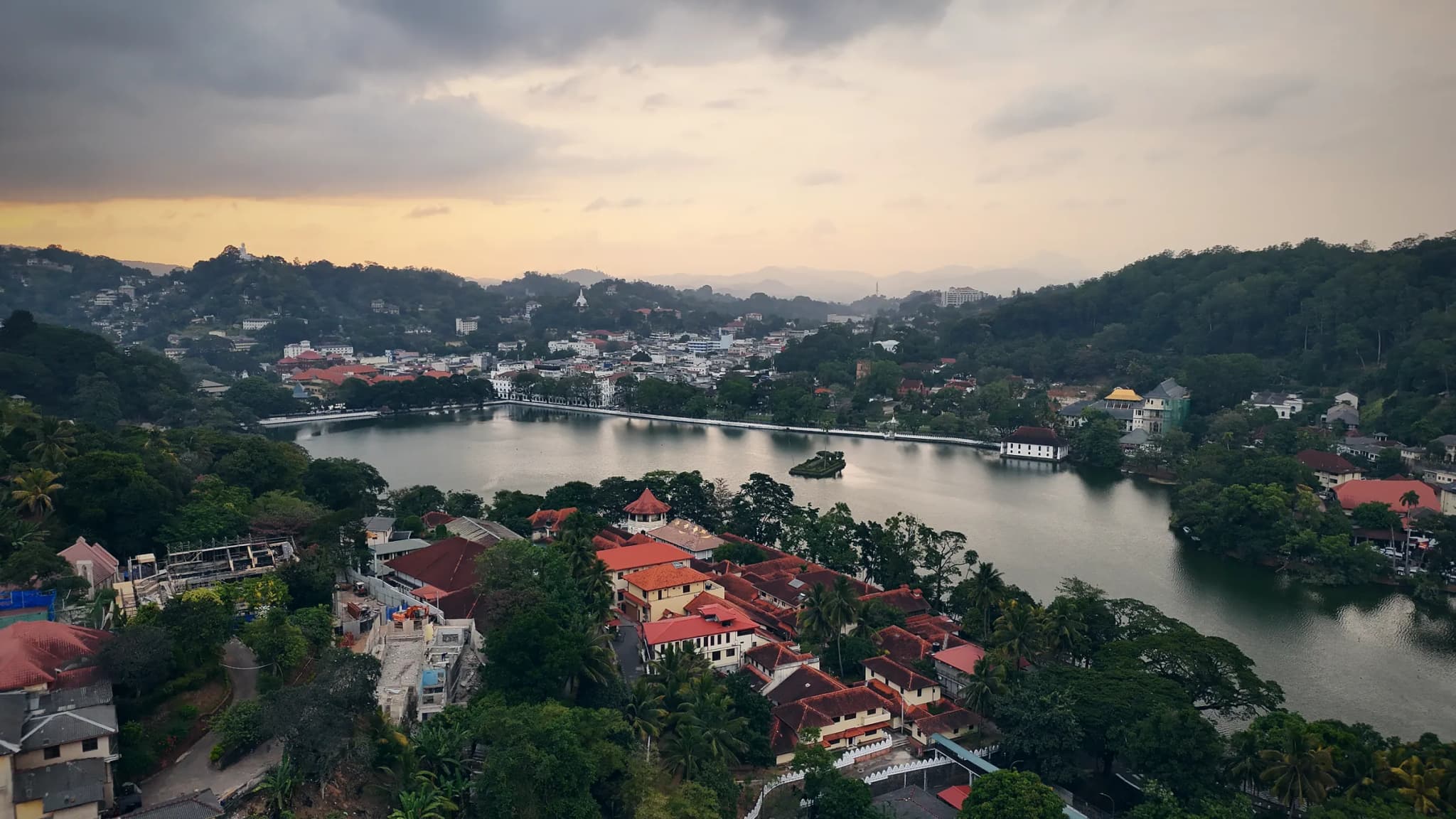
- Wide shots of the venue and the place around it
- The couple walking on the beach, in a garden or at a viewpoint
- Arrivals and the ceremony area, filmed from a safe distance
- Indoor venue shots with our small drones that have covered propellers
Drone rules that shape a wedding shoot
- Normal drone flights over crowds are not allowed. We film the ceremony and the guests from the side and from a safe distance, not straight above them.
- Outdoor flights are only allowed in daylight, until the end of civil twilight after sunset. Plan the aerial shots for the ceremony, the couple session or sunset, not the evening party.
- People filmed close to the drone should know it is flying and agree to it. We explain this to you and your planner before the day.
- The venue must agree to the flight. For paid shoots the approval process asks for a letter from the property owner or manager.
- Flights inside a building do not need a CAASL flight approval under the current standard, so indoor shots are easier to arrange.
Planning a destination wedding from abroad
You can plan everything with us on WhatsApp or by email. Send us the date, the venue and the plan for the day. We check the venue on the official drone map, tell you which approvals it needs and how early to start, and agree the shots with you and your planner.
What you get
- An edited drone video of your day
- Short clips for social media
- Drone photos of the venue and the couple, if you want them
Weather on the day
Drones cannot fly in rain, gusty wind or thunder, so the aerial plan depends on the weather on the day.
Rain in Sri Lanka follows two monsoons. From May to September the southwest monsoon brings most of the rain to the south and west coasts and the hills, while the east coast is usually drier. From December to February the northeast monsoon brings rain to the north and east. October and November can be wet across most of the island.