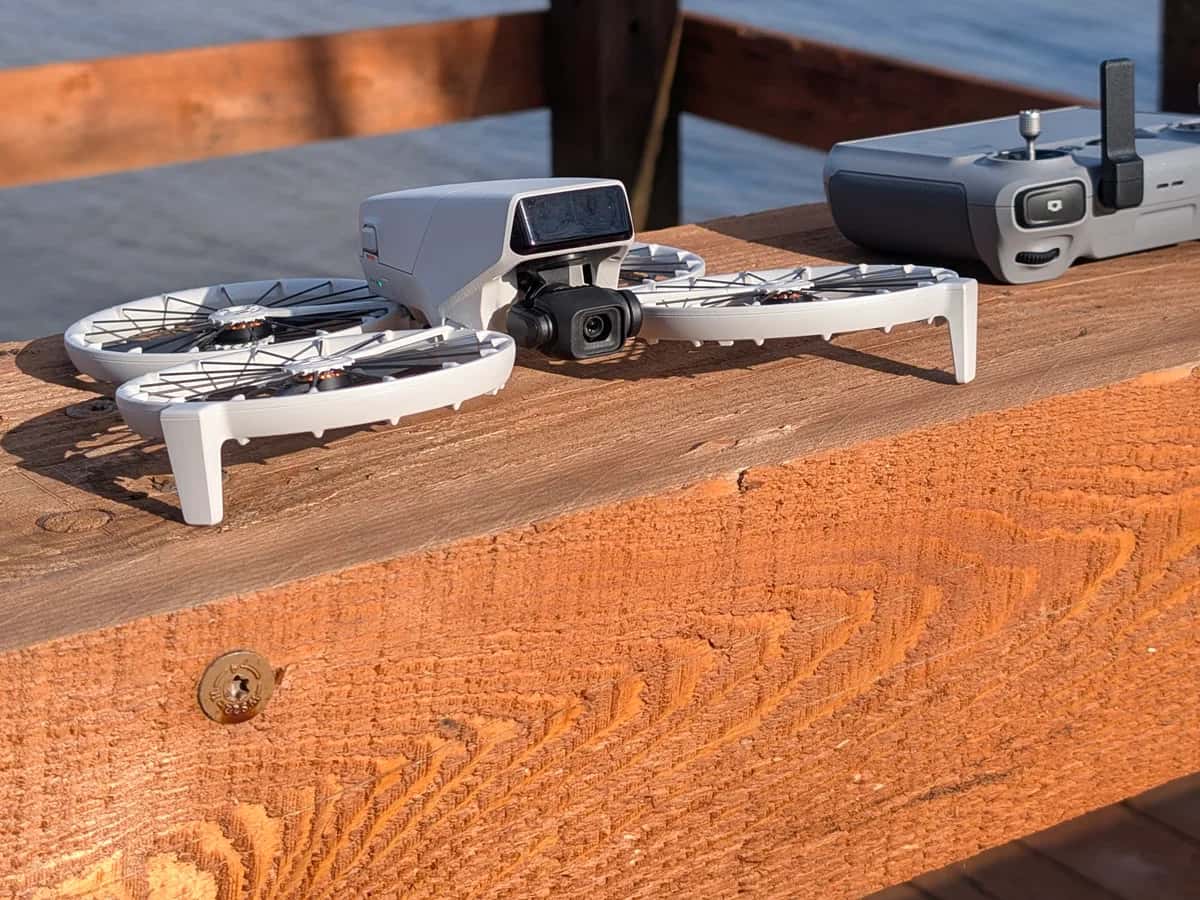
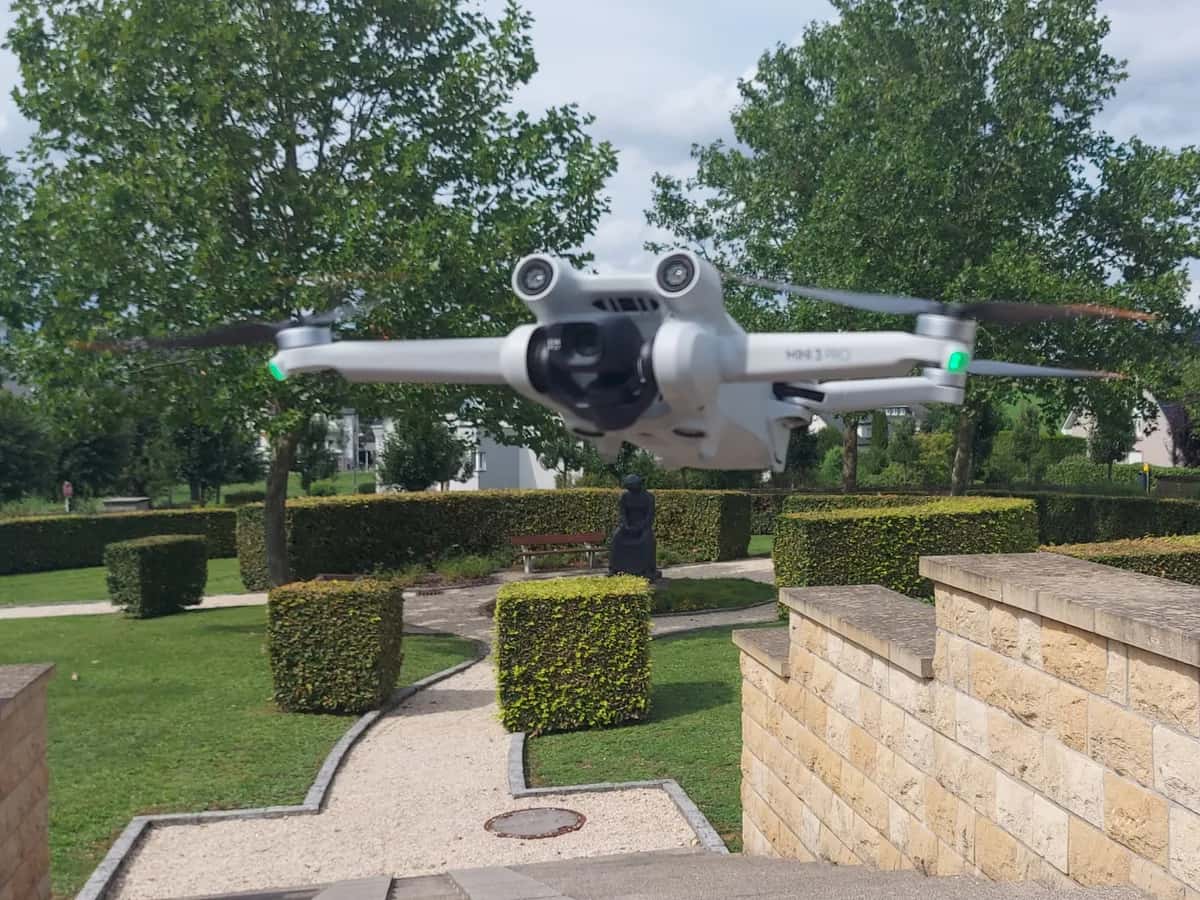
DJI Mini 4 Pro vs DJI Air 3
Specs from DJI, checked 14 November 2026. Scores are out of 100, against all 23 drones on our list.
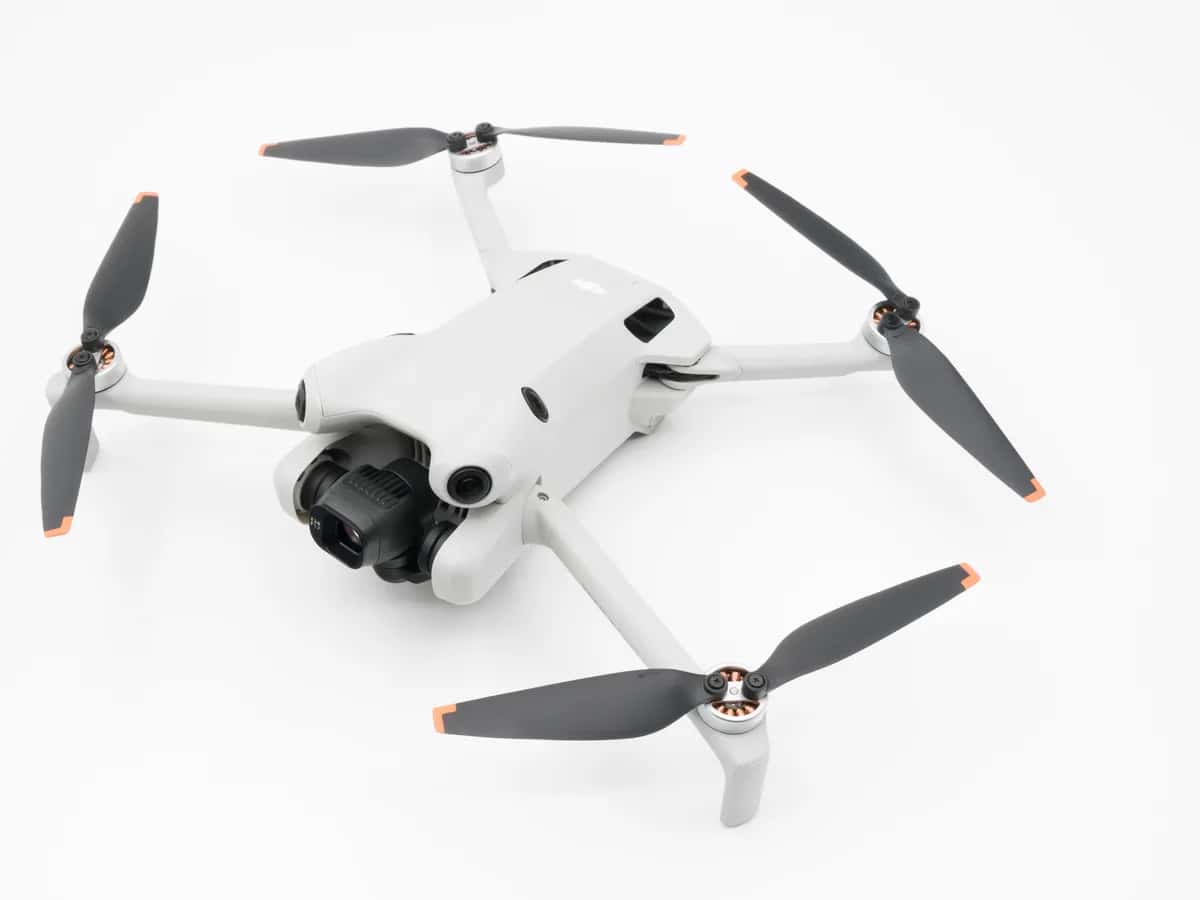
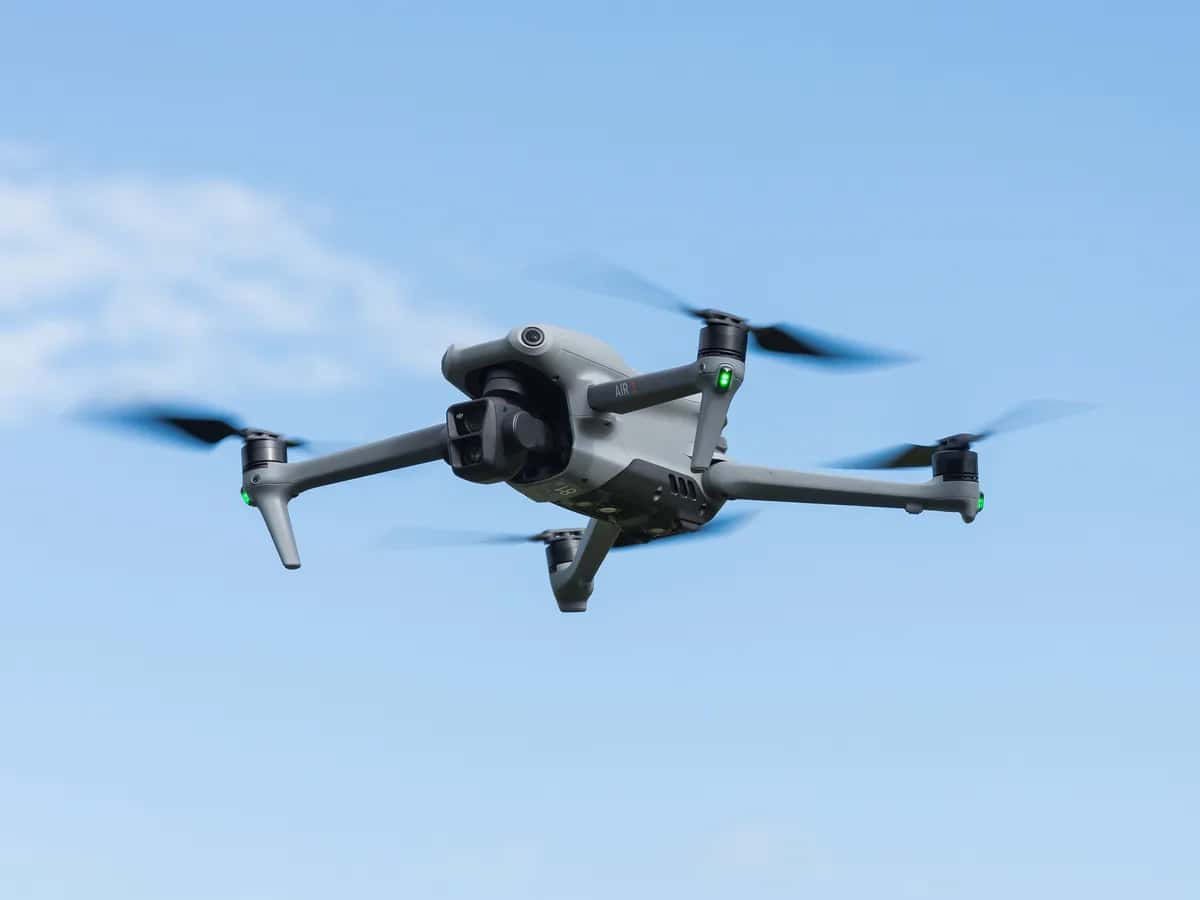
Our verdict
Get the DJI Air 3. It scores 60 against 54 and leads in 2 of 5 areas.
Compare other drones
Where the Mini 4 Pro and Air 3 differ
Scores by area, out of 100. Tap an area to see the specs behind it.
Mini 4 ProAir 3
Tap an area to see its biggest differences.
Biggest differences
Every spec| Spec | Mini 4 Pro | Air 3 |
|---|---|---|
| Wind resistance | 10.7 m/s (39 km/h) | 12 m/s (43 km/h)1.3 m/s more |
| Under 250 g | Yes, with the standard battery | No, insurance needed in Sri Lanka |
| Weight | Under 249 g471 g lighter | 720 g |
| Flight time | 34 min, 45 min with the Plus battery | 46 min12 min more |
| Zoom camera | No | Yes, 70 mm (3x)only one has zoom |
Why pick the Mini 4 Pro
Pick the Mini 4 Pro if you want no drone insurance in Sri Lanka, a lighter drone and a smaller bag.
Under 250 g, so no drone insurance in Sri Lanka
Mini 4 Pro: Yes, with the standard battery. Air 3: No, insurance needed in Sri Lanka.
Lighter471 g lighter
Under 249 g against 720 g on the Air 3
Smaller to carry2.1 times smaller
148 × 94 × 64 mm against 207 × 101 × 91 mm on the Air 3
Why pick the Air 3
Pick the Air 3 if you want steadier flying in wind, a zoom camera and built in storage.
Handles stronger wind1.3 m/s more
12 m/s (43 km/h) against 10.7 m/s (39 km/h) on the Mini 4 Pro
Longer flight time12 min more
46 min against 34 min, 45 min with the Plus battery on the Mini 4 Pro
Has a zoom cameraonly one has zoom
Yes, 70 mm (3x) against No on the Mini 4 Pro
More cameras2 against 1
2, wide and 70 mm zoom against 1, wide on the Mini 4 Pro
Faster18 km/h faster
21 m/s (76 km/h) against 16 m/s (58 km/h) on the Mini 4 Pro
Takes off from higher ground2,000 m higher
6,000 m against 4,000 m on the Mini 4 Pro
See the difference
The specs that matter most when you travel, drawn to scale where we can.
Camera sensor, to scale
Mini 4 Pro 1/1.3 inch, about 73 mm²
Air 3 1/1.3 inch, about 73 mm²
Folded size from above, to scale
Mini 4 Pro 148 × 94 mm from above, 64 mm tall
Air 3 207 × 101 mm from above, 91 mm tall
Bank card, 86 × 54 mm
Weight and the 250 g line
Mini 4 Pro, Under 249 g
Air 3, 720 g
Only the Mini 4 Pro is under 250 g. The Air 3 needs public liability insurance in Sri Lanka. The larger Plus battery takes a Mini or Lito over 250 g.
Time in the air on one battery
Mini 4 Pro34 min, 45 with the Plus battery
About 26 min of real flying per battery
Air 346 min
About 35 min of real flying per battery
Where each drone sees obstacles
Mini 4 Pro
All directions
Above: yes. Below: yes.
Air 3
All directions
Above: yes. Below: yes.
Other drones to compare with the Mini 4 Pro
Close in size or score. Tap Compare on any two drones to add them to your list.
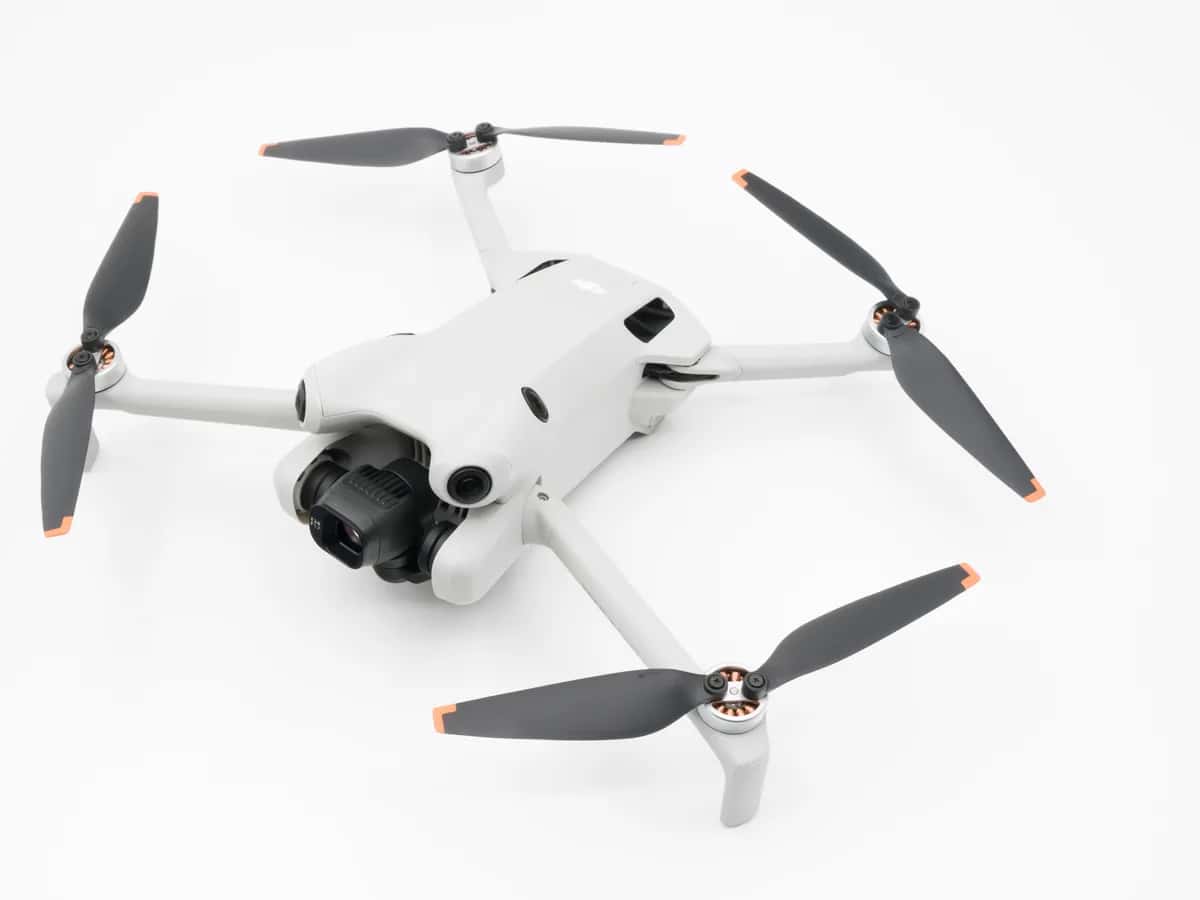
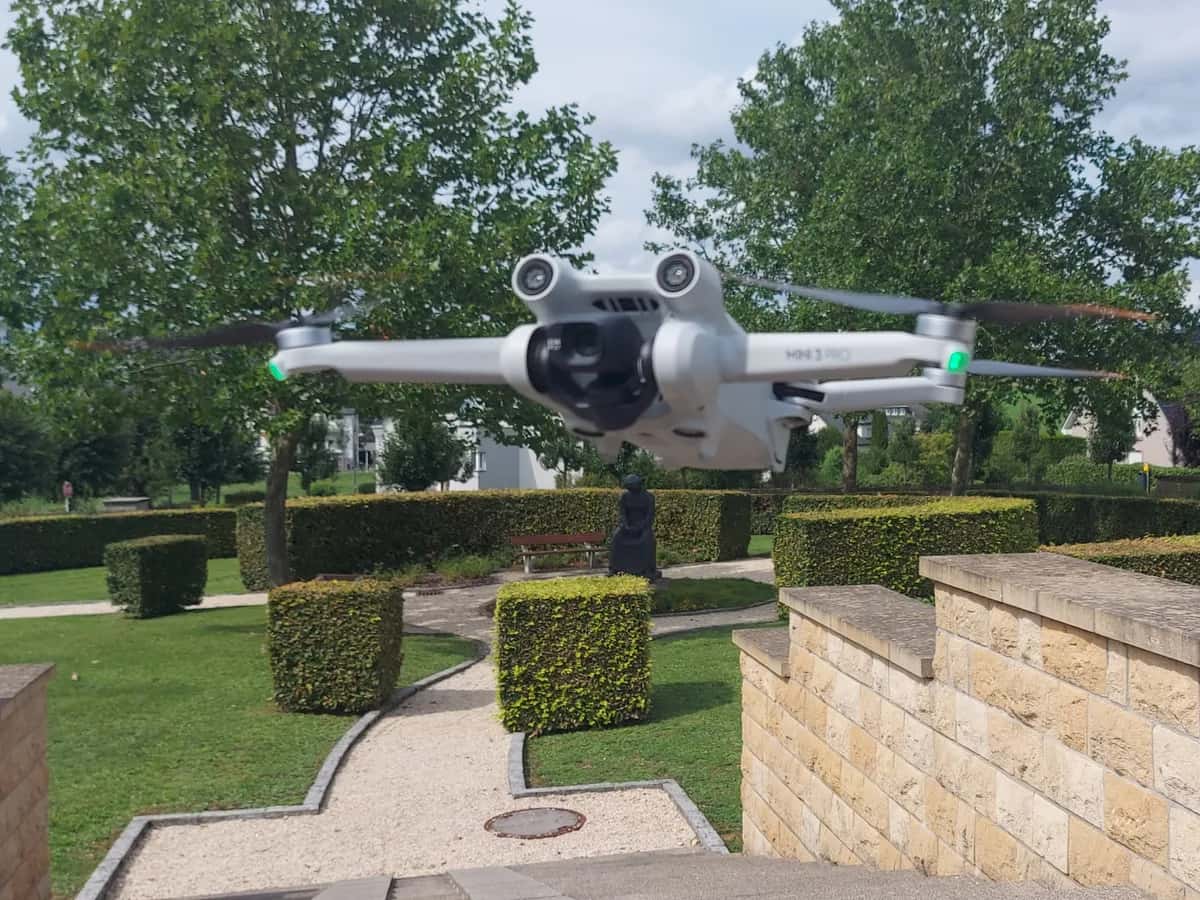
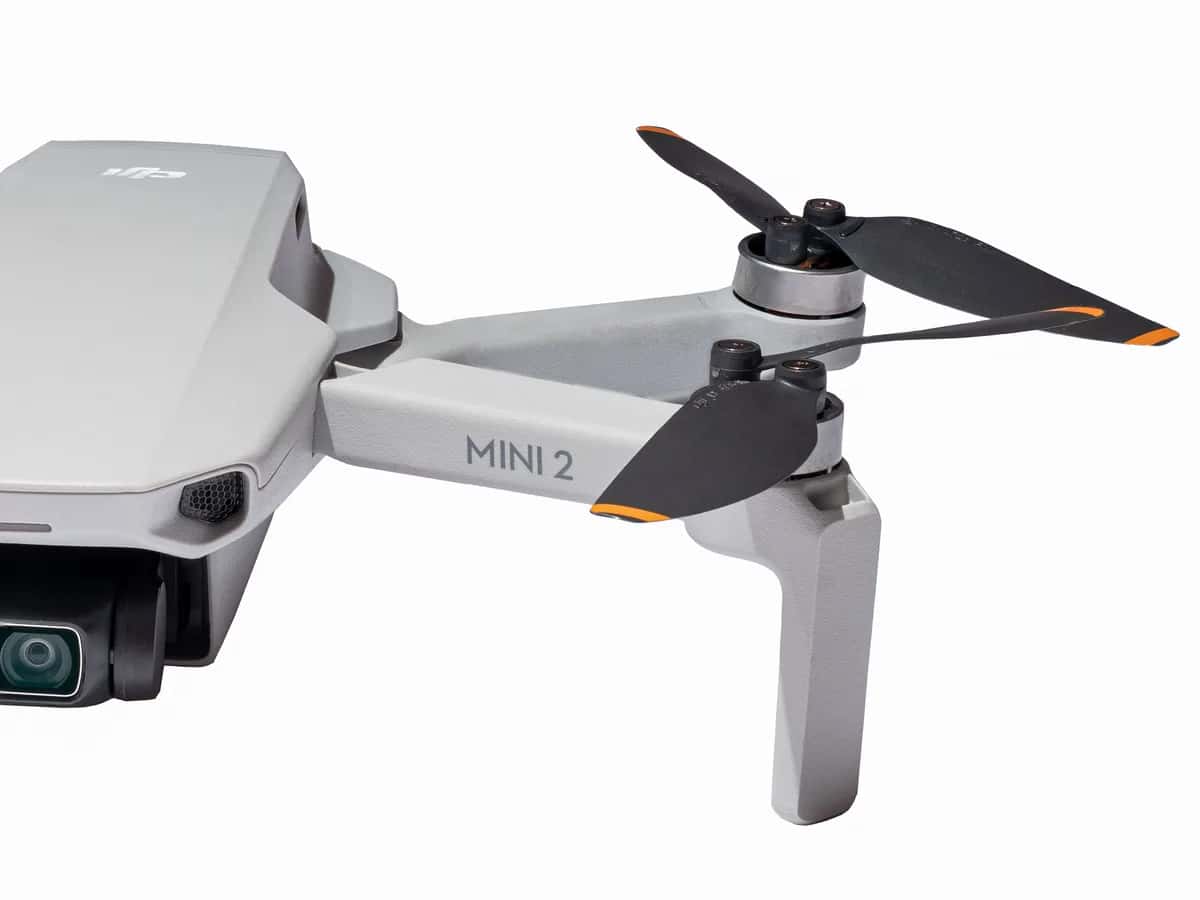
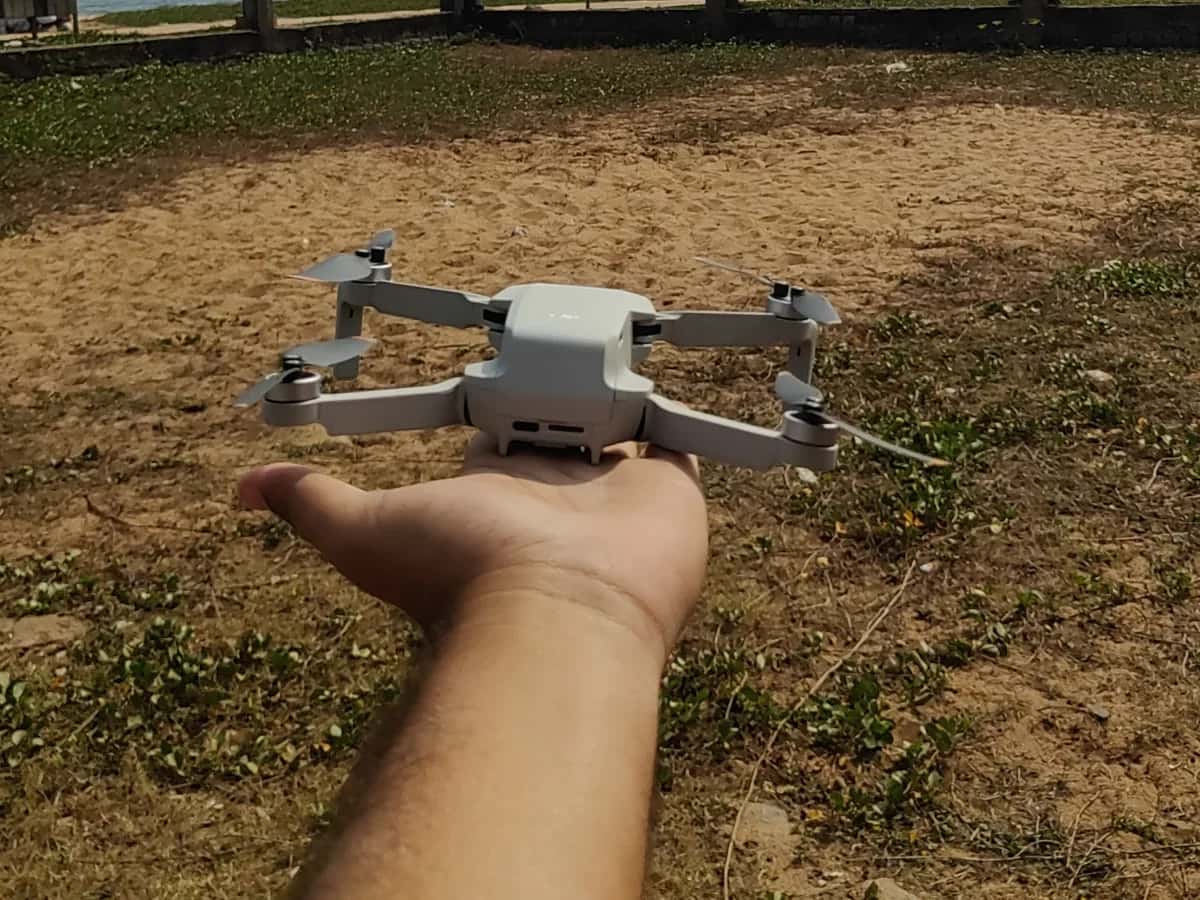
Every spec, side by side
Tap a spec name to see why it matters. The better value is in bold, and the bar shows how far apart the two are.
1. General
Released
The year DJI launched it. Newer drones usually get firmware updates for longer.
Still made
Whether DJI still lists it as a current model. Older models get harder to find parts and batteries for.
2. Camera
Air 3 leads, 56 to 40
Cameras
How many cameras the drone carries. A second or third camera is a zoom lens, except on the Avata 360, which uses two lenses to film all around.
Main camera sensor
A bigger sensor gathers more light, so sunrise, sunset and night shots stay clean instead of grainy. Of all the camera specs, this one changes picture quality the most.
Photo resolution
More megapixels let you crop and print large. Past about 20 MP the size of the sensor matters more than the pixel count.
Zoom camera
A zoom camera brings far things closer without losing detail. It makes mountains look bigger behind a subject and lets you film people and buildings from further away.
Lens aperture
A lower f number lets in more light. f/1.7 lets in more than twice the light of f/2.8, which helps in the evening.
Adjustable aperture
The lens can close down to f/11 to handle bright sun and keep more of a scene sharp. Drones with a fixed lens need ND filters for that.
RAW photos
RAW (DNG) photos keep more detail in bright skies and dark shadows, so you can recover them when you edit.
3. Video
Level
Largest video size
More pixels give room to crop and straighten a shot later. Most screens still show 4K or less. The Avata 360 figure is for a full 360 picture.
4K frame rate
Frames per second in 4K. At 100 or 120 fps you can slow a 4K shot down four or five times and keep it smooth.
Slow motion
The highest frame rate at any size. Played at normal speed, 240 fps footage runs ten times slower than real life.
Video bitrate
How much data each second of video gets. More data keeps fine detail in waves, leaves and crowds.
10 bit colour
10 bit video stores over a billion colours against about 16 million in 8 bit, so skies and sunsets keep smooth steps when you edit.
Flat colour profile
A flat, low contrast look that keeps more detail in bright and dark parts of the frame for colour grading. DJI calls it D Log M or D Log.
4. Flight
Air 3 leads, 85 to 24
Flight time
DJI's figure for one battery, flying steadily with no wind. In real use plan on about three quarters of it, because you land with charge to spare.
Wind resistance
The strongest wind DJI says it can handle. Beaches and hill country often get strong afternoon wind, so a higher figure means fewer cancelled flights.
Top speed
Top speed in Sport mode. Extra speed also helps a drone fly home against a head wind.
Highest takeoff point
The highest ground it can take off from. Pidurutalagala, the highest point in Sri Lanka, is 2,524 m, so every drone here can take off anywhere on the island.
Battery
Energy and weight of one standard battery. Airlines ask for approval above 100 Wh, and every battery here is under that.
5. Safety
Level
Obstacle sensing
The directions in which the drone can see obstacles and stop. A sensor below only helps with landing and holding a hover, not with trees ahead.
Night sensor (LiDAR)
A laser sensor at the front keeps seeing obstacles in the dark, when camera based sensors stop working.
Covered propellers
Guards around the propellers make the drone safer near people and indoors, and a light bump is less likely to end the flight.
Signal range
DJI's range with a clear view and no interference. The higher figure applies where a stronger signal is allowed, the lower one under the CE rules used in Europe. You must keep the drone in sight, so this really tells you how well the link holds near trees and buildings.
Video link
DJI's system for the live picture and the controls. Newer versions hold the picture better near walls and trees. O4+ is the newest.
Live view
The quality of the picture you see on the phone, remote or goggles while flying.
6. Travel
Mini 4 Pro leads, 86 to 19
Weight
Takeoff weight with the battery. A lighter drone is easier to carry on hikes and fits a day bag.
Under 250 g
In Sri Lanka a drone of 250 g or more needs public liability insurance. Every camera drone still has to be registered with CAASL, whatever it weighs.
Folded size
Length, width and height folded, without propellers. Smaller fits a camera bag or a big jacket pocket.
Built in storage
Storage inside the drone, so it keeps recording if you forget the memory card or fill it.
Source: DJI's drone comparison page, checked 14 November 2026. Flight times and ranges are DJI's test figures, without wind or interference.
Buy one, or let us fly
DJI Mini 4 Pro
We sell the Mini 4 Pro, from Rs 324,500. Prices are in Sri Lankan rupees.
View in our shopDJI Air 3
We sell the Air 3, ask us for today's price. Prices are in Sri Lankan rupees. We also fly it on our own shoots.
View in our shopNeed the footage, not the drone?
We film travel, weddings, hotels and property across Sri Lanka, and we handle the drone permits.
Ask us on WhatsAppQuestions
Which is better, the DJI Mini 4 Pro or the DJI Air 3?
Get the DJI Air 3. It scores 60 against 54 and leads in 2 of 5 areas.
Pick the Mini 4 Pro if you want no drone insurance in Sri Lanka, a lighter drone and a smaller bag. Pick the Air 3 if you want steadier flying in wind, a zoom camera and built in storage.
Which flies longer, the Mini 4 Pro or the Air 3?
The Air 3: 46 minutes on one battery, against 34 minutes for the Mini 4 Pro. With the Plus battery the Mini 4 Pro flies for 45 minutes, but weighs 250 g or more. These are DJI's figures with no wind, so plan on about three quarters of them.
Which has the better camera?
Both use a 1/1.3 inch main sensor. The Mini 4 Pro records up to 4K and the Air 3 up to 4K. The Air 3 has a zoom camera up to 70 mm.
Which handles wind better?
The Air 3, rated for 12 m/s (43 km/h) against 10.7 m/s. Beaches and hill country in Sri Lanka often get strong afternoon wind, so plan coastal and mountain flights for the morning.
Do I need drone insurance for the Mini 4 Pro or the Air 3 in Sri Lanka?
The Mini 4 Pro (Under 249 g) does not with its standard battery. The Air 3 (720 g) does, because it weighs 250 g or more. Every camera drone must be registered with CAASL whatever it weighs, and each flight needs approval. Read the Sri Lanka drone rules.
Popular comparisons
Other drones people weigh up against these two.